You have 0 items in your cart
How to manage your skin, hair and body when going through the Menopause
As women enter their 40s and transition through perimenopause and menopause, they can experience various changes in their skin, body, and hair. These changes are often linked to fluctuating hormone levels, particularly estrogen decline. To support Menopause Awareness we want to discuss the impact of menopause on your body and how to effectively address these changes with targeted skincare, body care, hair care, and supplements.
Understanding the Menopause journey
Menopause is a natural process marking the end of menstruation, typically between ages 45 and 55. However, the journey begins well before, with perimenopause, which can start in the late 30s or early 40s. These stages impact your body uniquely:
Perimenopause (Late 30s – early 50s)
Hormonal fluctuations cause irregular periods, hot flashes, mood swings, and noticeable skin changes. Decreased collagen production leads to increased sensitivity, dryness, and the appearance of fine lines and wrinkles.
Menopause (Around age 51)
Estrogen levels significantly decline after 12 consecutive months without a period. Skin dryness intensifies, elasticity decreases, and hair thinning is more pronounced.
Post-menopause (After menopause)
While symptoms may stabilize, long-term changes like dryness, reduced elasticity, and thinner hair persist. A consistent, targeted routine is crucial.
How does menopause affect the skin?
Menopause can affect the skin in many ways from dryness, wrinkles, sagging, pigmentation changes (like age spots), and loss of elasticity. As estrogen levels start to decline this directly impacts the skin’s appearance, with reduced collagen and elastin cause thinner, more fragile skin prone to dryness, irritation, wrinkles, and pigmentation changes.
What is the best skincare routine for menopause?
It is recommended that skincare for menopause is tailored more towards richer cream texture cleansers, targeted serums, nourishing moisturisers, more hydrating products overall, look for key ingredients such as retinol, hyaluronic acid and peptides. At MYSKIN Shop UK we stock a variety of quality skincare brands that have products that can help with menopause changes to the skin.
Here are a couple of our bestselling skincare products for menopause from some of the skincare brands.
Juliette Armand Skincare for Menopause
Juliette Armand Hydra Cleansing Milk – gentle cleansing milk removes makeup and impurities without stripping the skin of its natural oils. Perfect for sensitive, dry skin, it provides a gentle yet effective cleanse.
Juliette Armand Caviar Serum and Caviar Cream, an affordable anti-ageing serum enriched with caviar extract to promote hydration and reduce the appearance of fine lines. Juliette Armand Caviar Cream can be applied onto of the Caviar Serum to further enhance skin firmness and elasticity while keeping the skin well-hydrated.
Environ Skincare products most suitable for menopause skin
Environ AVST Moisturiser level 1-5 – Infused with Vitamin A, it helps normalize skin functions and improve the overall texture and tone.
Environ Avance Elixir – contains a combination of three powerful peptide complexes that may assist in improving the overall structure of the skin.
Innoaesthetics Skincare for Menopause
Innoaesthetics Age Perfection Serum – anti-ageing serum is formulated to improve skin elasticity and firmness while helping to reduce the visible signs of ageing such as wrinkles and fine lines.
Innoaesthetics Sun Defense SPF 50 – Broad-spectrum sunblock that combines mineral and chemical filters for UVB and UVA protection.
iS Clinical Skincare products most suitable for menopause skin
iS Clinical Cream Cleanser – Gently cleanses and hydrates, and specially created to soothe and protect.
iS Clinical Youth Intensive Serum – rebuilds lost collagen, reduces fine lines & wrinkles & instantly firms and smooths.
Emepelle Serum/Cream
For a complete menopause skincare serum and cream specifically formulated for menopausal skin using MEP Technology® to address estrogen decline is Emepelle Serum and Emepelle Cream.
How can I manage menopause-related hair loss or thinning?
Hair thinning and dryness are frequently reported as concerns when going through Menopause, along with a decrease in overall hair volume. Adopting a haircare routine that targets these concerns can help restore vitality and shine. Women may need to look at changing their shampoo and , conditioner to help hair repair, as well as hair growth serums and supplements, and looking at lifestyle adjustments to improve hair health.
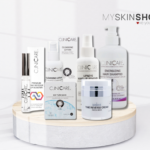
At MYSKIN Shop UK, we understand how hair thinning, hair loss can affect your confidence and self-esteem so we have added a selection of targeted haircare products to address these concerns. Like the CLINICCARE Energising Hair Shampoo & Conditioner that stimulates the scalp and nourishes hair, ideal for thinning hair. Along with the Amalian Hair Booster specifically formulated to combat hair loss, the Amalian Hair Booster strengthens hair from the root, promoting healthy growth and reducing the effects of menopause-related thinning.
What body changes can be seen when going through Menopause?
During Menopause many women experience changes in weight distribution and muscle mass, along with decreased skin sagging, lose of elasticity and drier skin. Often changes can be seen in lower metabolism and body composition, leading to weight gain around the midsection. Managing weight during menopause requires a multifaceted approach that addresses the hormonal changes contributing to weight gain and incorporates lifestyle adjustments. Here are some of our recommendations for helping to maintain a healthy body weight during menopause
Diet
- Prioritise Protein – include protein at every meal to help maintain muscle mass (which boosts metabolism) and promote satiety (feeling full). Good sources include lean meats, fish, poultry, beans, lentils, and tofu.
- Reduce Refined Carbohydrates – limit processed foods, sugary drinks, and white bread/pasta. These can lead to blood sugar spikes and crashes, increasing cravings and potentially contributing to weight gain.
- Focus on Fiber – fiber-rich foods like fruits, vegetables, and whole grains help regulate digestion, improve blood sugar control, and promote feelings of fullness.
- Healthy Fats – incorporate healthy fats from sources like avocados, nuts, seeds, and olive oil. These support hormone production and can help manage cravings.
- Mindful Eating – pay attention to hunger and fullness cues. Avoid distractions while eating (like watching TV). Eat slowly and savor your food.
- Hydration – drink plenty of water throughout the day. Water can help you feel full, especially before meals.
Exercise
- Strength Training – crucial for maintaining muscle mass, which declines with age and hormonal shifts. Aim for at least two sessions per week.
- Cardiovascular Exercise – improves heart health, burns calories, and supports overall fitness. Aim for at least 15 minutes of moderate-intensity cardio per day if possible or at least 3-4 times per week.
Stress Management
Chronic stress can contribute to weight gain by affecting hormones like cortisol. Incorporate stress-reducing techniques like yoga, meditation, deep breathing exercises, or spending time in nature. Ensuring you get enough adequate sleep is also crucial, aim for 7-9 hours of quality sleep each night. Lack of sleep disrupts hormones that regulate appetite and metabolism.
Hormonal Considerations
Consult your doctor to discuss your symptoms and concerns. They can rule out underlying medical conditions and potentially recommend hormone replacement therapy (HRT) or other treatments, if appropriate. HRT can be helpful for managing menopausal symptoms and weight gain in some women, but it’s essential to carefully weigh the risks and benefits with a healthcare professional.
Important Note – it is crucial to consult a healthcare professional before making significant dietary or exercise changes.
Are there any supplements that help with menopause symptoms and skin/hair health?
Looking to support the body internally is crucial in managing menopause symptoms, supplements can help address hormonal imbalances, improve skin and hair quality, or alleviate other menopausal symptoms like hot flushes or sleep disturbances. It can be beneficial to include internal supplements in your daily routine during menopause for several reasons;
Addressing Hormonal Imbalances
Menopause causes a significant decline in estrogen, which plays a vital role in collagen production, skin elasticity, and hair health. Supplements can help mitigate some of these hormonal effects. However, it’s crucial to remember that supplements are not a replacement for balanced nutrition and healthy lifestyle habits.
Boosting Collagen Production
Collagen is a crucial protein for skin elasticity, firmness, and overall youthful appearance. As estrogen levels drop, collagen production decreases, leading to wrinkles, sagging skin, and thinner hair. Supplements like collagen peptides can help stimulate collagen synthesis. We highly recommend Totally Derma Collagen Supplement Collagen production decreases during menopause, leading to skin sagging and wrinkles. Totally Derma Collagen Supplement helps boost collagen levels from within, promoting firmer and more hydrated skin
Improving Hydration and Moisture Retention
Menopause often leads to dry skin, hair, and nails due to decreased hormone production and changes in the skin barrier function. Certain supplements, such as those containing hyaluronic acid, help the body retain moisture, improving hydration and reducing dryness. We recommend Advanced Nutrition Programme Skin Moisture Lock can support skin hydration and reduces the appearance of fine lines by locking in moisture. It combines hyaluronic acid and ceramides to enhance skin’s natural barrier.
Supporting Hair Growth and Thickness
Hair thinning and loss are common during menopause, partially due to decreased estrogen and declining nutrient levels. Supplements containing biotin, zinc, iron, and other nutrients can help support healthy hair growth and thickness.
Enhancing Nail Strength and Growth
Menopause can weaken nails, making them brittle and prone to breakage. Supplements with biotin, and other nutrients can promote healthy nail growth and strength.
Targeting Specific Concerns
Certain supplements may target specific concerns, such as those aimed at reducing inflammation (which can contribute to skin aging), promoting healthy gut bacteria (which affects overall health and skin), or supporting overall well-being (thus potentially improving the appearance of skin and hair). We highly recommend Advanced Nutrition Programme Youth Biome is a probiotic supplement designed to improve gut health, which in turn can support more radiant, healthier skin by improving the good bacteria in the gut.
Addressing Nutritional Deficiencies
Menopause can sometimes lead to nutritional deficiencies due to altered metabolism and changes in dietary habits. Supplements can help fill nutritional gaps and address specific deficiencies, supporting overall health and thus benefiting the appearance of skin, hair, and nails.
An optimal supplement regimen varies depending on individual needs and health status. Consult a healthcare professional before starting any new supplements if you have pre-existing health conditions or are taking other medications. Choose high-quality supplements from reputable brands that have undergone third-party testing to ensure purity and potency.
Navigating menopause is a significant life stage and can feel overwhelming, however there is lots of support and advice available to help you embrace this phase of life confidently. At MYSKIN Shop UK, we offer a wide range of skincare, body care, haircare, and supplements designed to support your needs during this transition. We can help you tailor your routine to suit your evolving skin and body requirements, to discover products that can make a difference to you. For further help and advice do not hesitate to get book a complimentary 15 minute skin consultation with one of our skin